
Română
- English
- Español
- Português
- русский
- Français
- 日本語
- Deutsch
- tiếng Việt
- Italiano
- Nederlands
- ภาษาไทย
- Polski
- 한국어
- Svenska
- magyar
- Malay
- বাংলা ভাষার
- Dansk
- Suomi
- हिन्दी
- Pilipino
- Türkçe
- Gaeilge
- العربية
- Indonesia
- Norsk
- تمل
- český
- ελληνικά
- український
- Javanese
- فارسی
- தமிழ்
- తెలుగు
- नेपाली
- Burmese
- български
- ລາວ
- Latine
- Қазақша
- Euskal
- Azərbaycan
- Slovenský jazyk
- Македонски
- Lietuvos
- Eesti Keel
- Română
- Slovenski
- मराठी
- Srpski језик

Știri din industrie
 05 2026-08
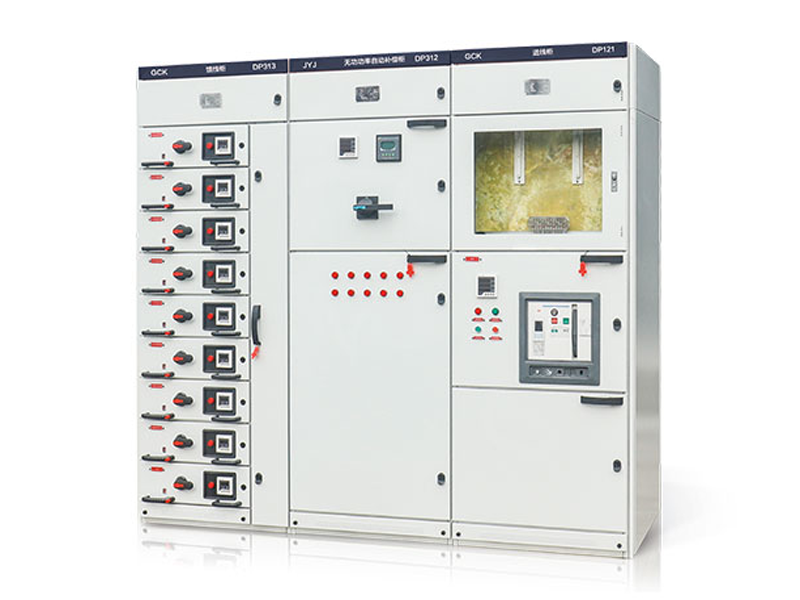
What are the main types of low voltage switchgear?
Low-voltage switchgear refers to electrical devices used in power systems with AC rated voltages of 1000V and below and DC rated voltages of 1500V and below to perform the functions of making, breaking, protecting, controlling and isolating. They are widely used in industrial plants, commercial buildings, data centers, rail transit and civil power distribution, and are key components to ensure the safety of electricity and the reliable operation of the system. According to different functions and application scenarios, low-voltage switchgear can be mainly divided into the following categories.
 03 2026-08
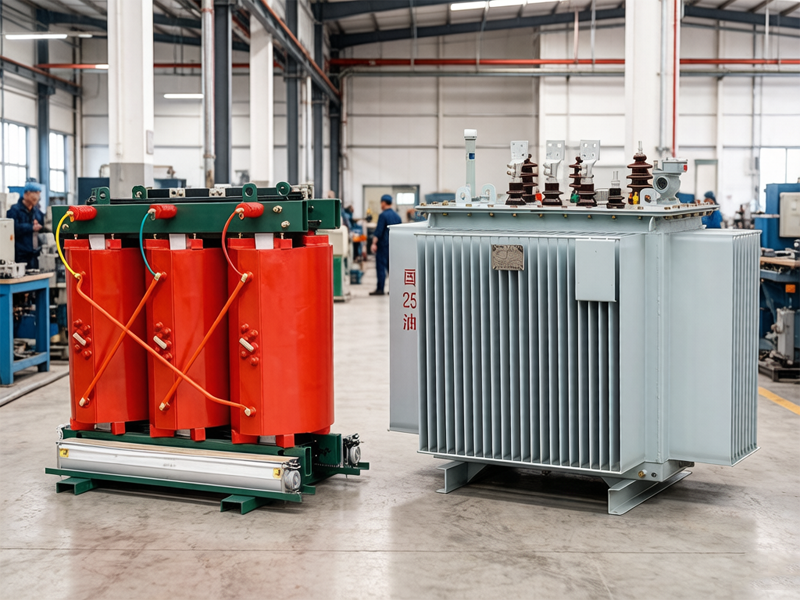
With the same power, why is a dry-type transformer safer than an oil-type transformer?
In scenarios such as power distribution, building power supply, and industrial production, transformers are the core equipment to ensure stable power transmission. When faced with the choice of the same power and voltage level, many people will wonder: Dry-type transformers are more expensive and slightly larger, but they have become the first choice for hospitals, shopping malls, subways, high-rise buildings, and underground power distribution rooms. There is only one core reason - safety. With the same power output, why is a dry-type transformer safer than an oil-immersed transformer? The answer lies in the material, structure, operating characteristics and fire and explosion protection capabilities.
 30 2026-07
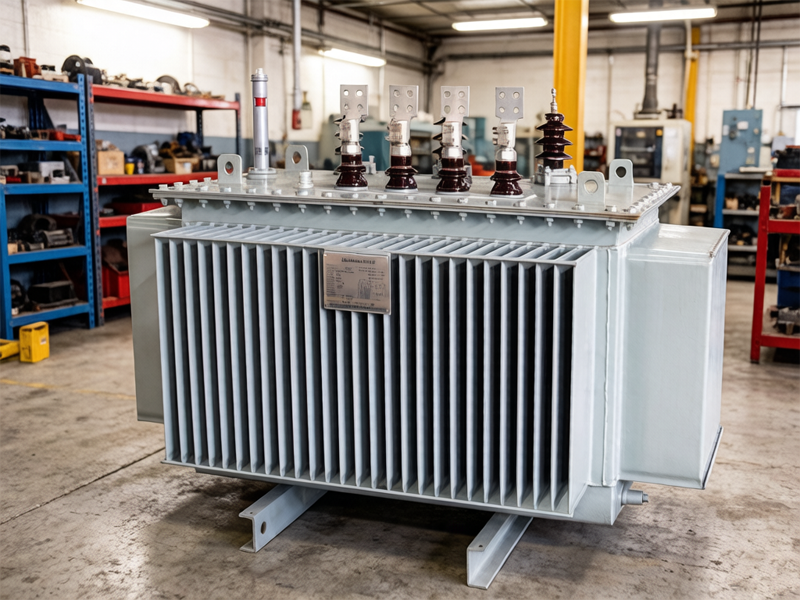
Comparison of no-load loss characteristics of amorphous alloy transformers and discussion on energy efficiency improvement
Amorphous alloy transformers are known as "energy-saving stars" in the field of distribution transformers due to their excellent low-loss characteristics. This article focuses on the no-load loss characteristics of amorphous alloy transformers, conducts a multi-dimensional comparison with traditional silicon steel sheet transformers, and systematically discusses feasible paths to improve its energy efficiency, providing a reference for engineering selection and technology development.
 23 2026-07
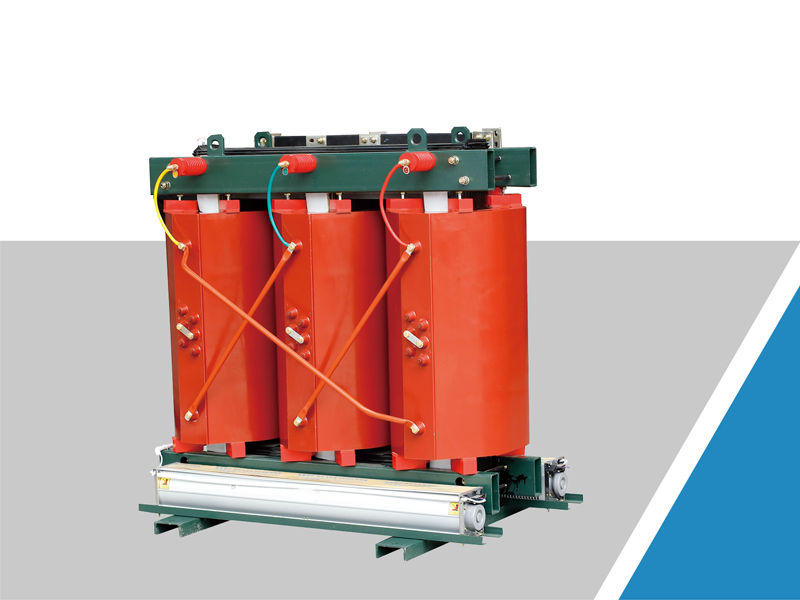
What is an epoxy resin cast dry-type transformer?
Epoxy resin cast dry-type transformers have redefined the safety standards of power distribution equipment with their core capabilities of "oil-free, flame-retardant, self-extinguishing, and environmentally friendly." It not only solves the pain points of traditional transformers that are flammable, explosive, and prone to oil leakage, but also injects a steady stream of clean power into the power arteries of modern society with high reliability and low maintenance costs. As technology continues to iterate, it will play a more critical role in future smart grid construction.
 21 2026-07
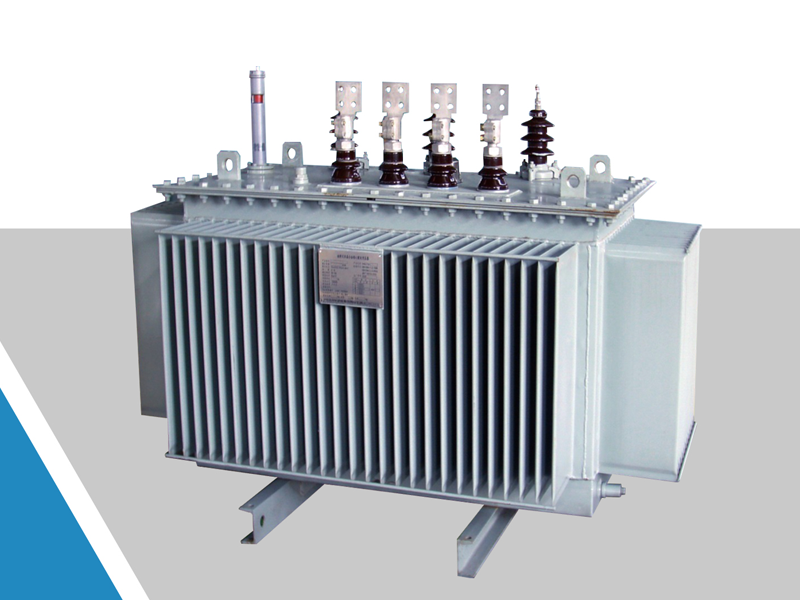
What is an amorphous alloy distribution transformer?
In modern society, electricity is the blood that drives economic development and maintains daily operations, and distribution transformers are the indispensable "heart" of the power transmission network. As the world attaches increasing importance to energy conservation, emission reduction and environmental protection, the energy efficiency upgrade of traditional power equipment has become an inevitable trend. In this context, amorphous alloy distribution transformer (Amorphous Alloy Transformer) emerged as a revolutionary high-efficiency and energy-saving power equipment and is gradually becoming a "green pioneer" in the distribution network.
 18 2026-07
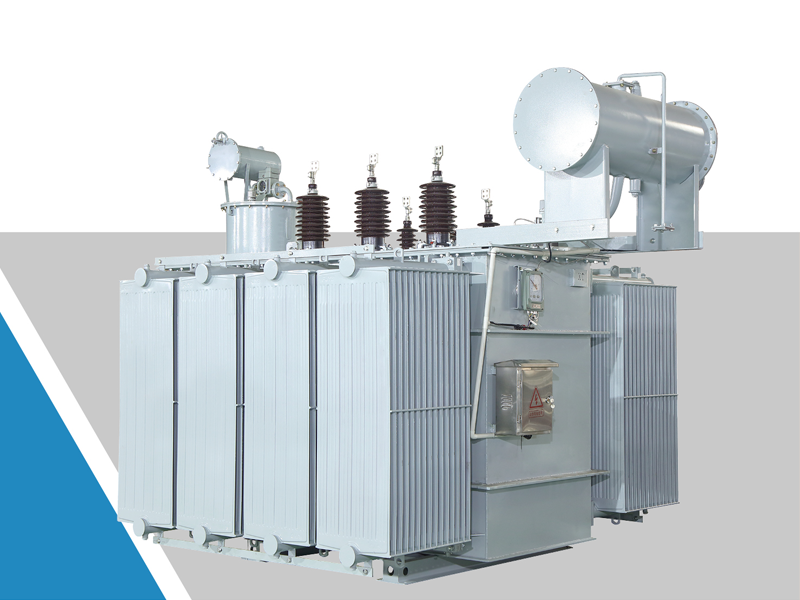
What is a double-winding OLTC oil-immersed power transformer?
In the transmission and distribution network of modern power systems, double-winding OLTC oil-immersed power transformers are the core equipment to ensure voltage quality and power supply continuity. It combines the three major advantages of "simple double winding structure", "excellent oil-immersed heat dissipation" and "on-load voltage regulation without power interruption", and is widely used in substations, industrial and mining enterprises and new energy stations. This article will systematically elaborate on its definition, structure, principles, characteristics and applications.