Ştiri

There is also a "safety guard" inside the transformer - a gas relay

2026-06-26 0 Lasă-mi un mesaj

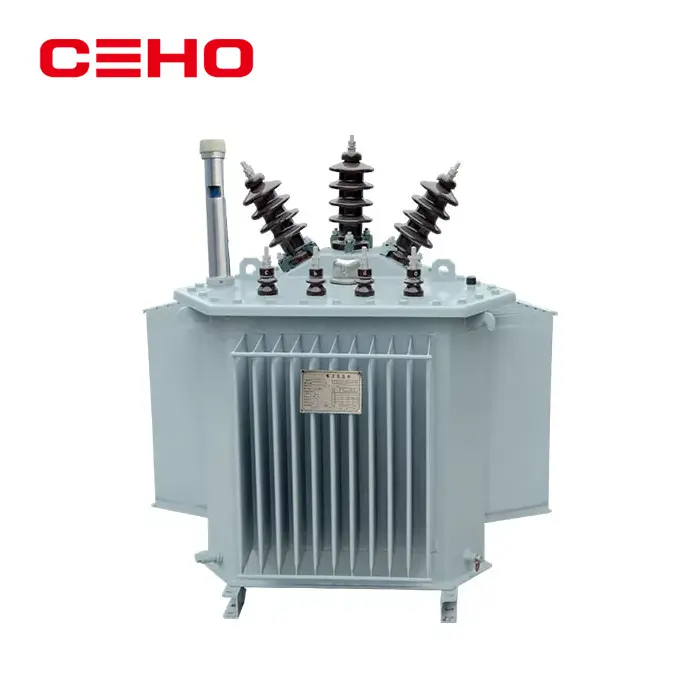
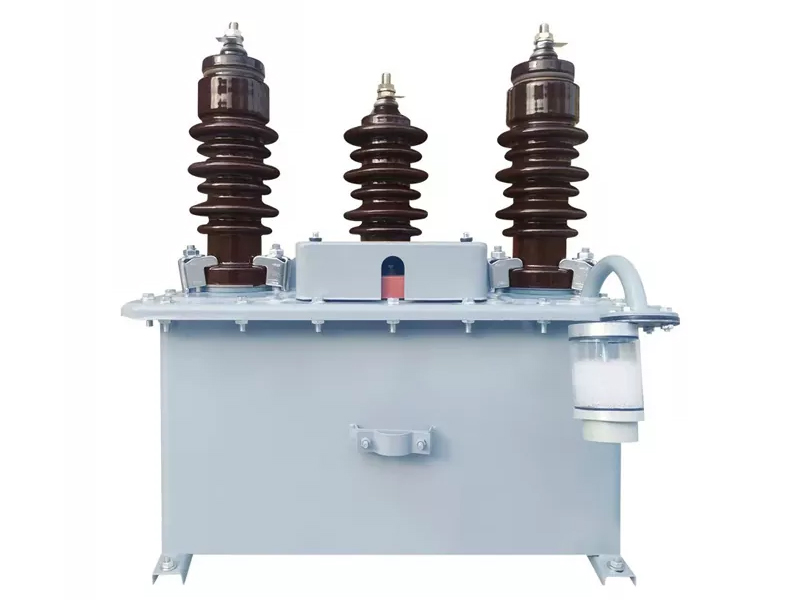
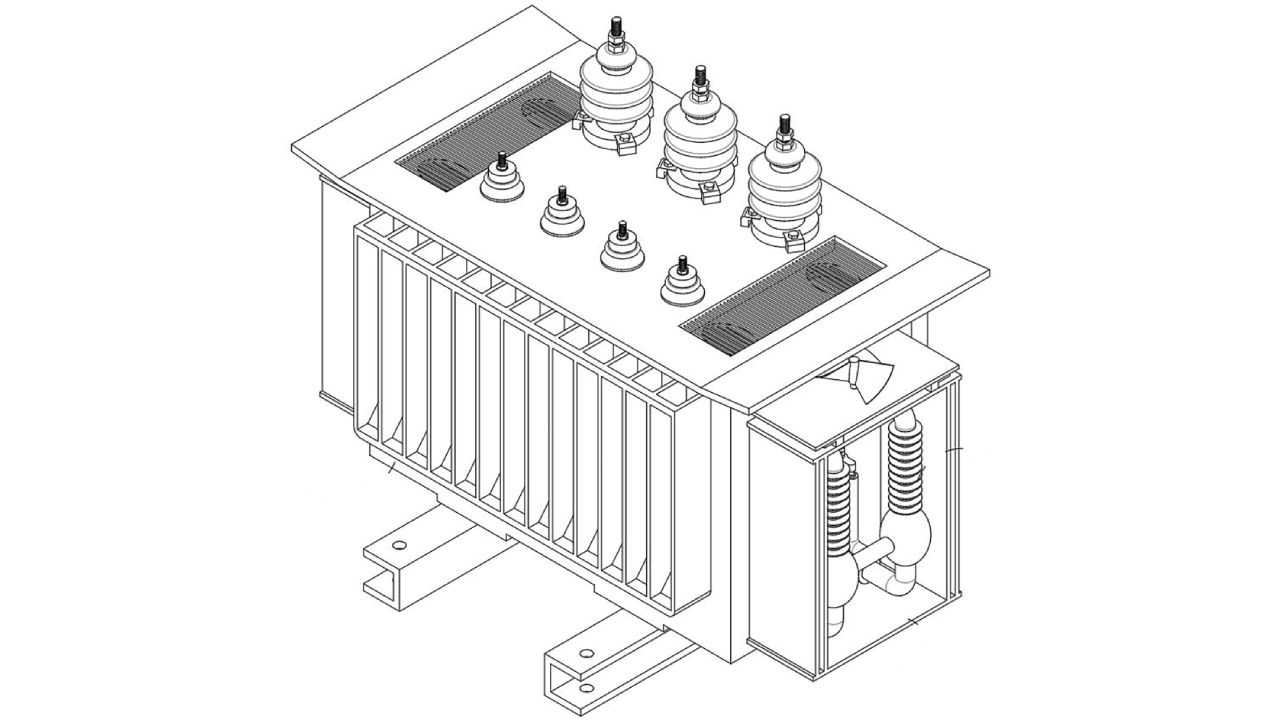
In a large and complex power system, transformers are like steady hearts, delivering energy day and night. Many people know that there are "explicit" protection devices such as thermometers and pressure relief valves on the outside of the transformer. However, there is often an inconspicuous but crucial component hidden on the connecting pipe between the transformer oil tank and the oil conservator - the gas relay (Gas Relay), which is often called a "gas relay" in the industry.


Although it is small in size, it is the first line of defense against internal faults of the transformer and is known as the "safety guard" inside the transformer. This guardian does not require an external power supply, and relies only on its exquisite mechanical and physical structure to detect abnormalities in the very early stages of failure and protect the safety of the power grid.


I. What is a gas relay?

The gas relay is essentially an oil flow and gas detection device, specially installed on the connecting pipeline between the oil tank and the oil conservator (expander) of the oil-immersed transformer.

Its core responsibility is to monitor whether there is a sudden change in gas or oil flow inside the transformer due to a fault, and to issue an alarm before the danger comes, and even cut off the power supply directly when necessary to avoid the expansion of the accident.

Think of it as a combination of a "smoke alarm + automatic circuit breaker" for a transformer.


II. How do "security guards" work?

Gas relays are usually installed on the connecting pipe between the main oil tank of the transformer and the oil conservator (oil pillow). Its working principle originates from a special physical phenomenon when a transformer internal fault occurs: when local overheating, insulation aging or slight discharge occurs inside the transformer, the insulating oil and solid insulating material will thermally decompose, releasing characteristic gases such as hydrogen and methane.


These gases form bubbles in the oil and slowly rise along the inclined pipe. As they flow through the gas relay, they gradually accumulate in the upper gas chamber of the relay. As the gas volume increases, the oil level inside the relay begins to drop, and the float (or open cup) originally floating on the oil surface loses buoyancy and sinks. When the gas accumulation reaches a preset threshold (usually 250 to 300 cubic centimeters), the float drives the internal magnet close to the reed contact, causing it to close. At this time, the control room will receive the "light gas alarm" signal. This is like the first whisper from the guardian, reminding the operation and maintenance personnel that the transformer may have a minor fault and that gas sampling, analysis and troubleshooting need to be carried out in a timely manner.


III. Why is it called "Security Guard"?

The importance of gas relays is mainly reflected in the following aspects:

1. The “first person” to respond to faults

Compared with electrical quantity protection such as current and voltage, gas relays can sense physical changes inside the transformer earlier - especially those early faults that have not yet caused significant changes in current. It can often issue an early warning of an accident at its inception.

2. Responsive and reliable

Whether it is a slow accumulation of gas or a sudden high-speed oil flow, the gas relay can respond accordingly. As long as the installation is correct and the setting is reasonable, it is almost unaffected by external electrical interference and has high operational reliability.

3. Reduce accident losses

Because it can give a signal or directly trip in the early stage of a fault, gas relays effectively reduce the degree of equipment damage and the scope of power outages, significantly reducing maintenance costs and social impact. It can be said that it is a key barrier to protect the transformer from devastating damage


IV. Details that cannot be ignored in operation and maintenance

Although the gas relay is very reliable, its normal operation cannot be separated from standardized operation and maintenance management:

Regular calibration: Check whether the contact action is accurate and whether the seal is good to prevent malfunction or refusal due to sticking or air leakage.

Pay attention to light gas signals: Once a light gas alarm occurs, oil samples should be collected immediately for dissolved gas analysis (DGA) to find the root cause of the fault, rather than simply resetting the alarm.

Exhaust after new operation or overhaul: After the transformer is put into operation for the first time or after overhaul, it must be fully exhausted according to regulations to avoid residual air causing false signals from the gas relay.


V. Conclusion

In the entire power system, although the gas relay is only a "small accessory" on the transformer, it always protects the internal safety of the transformer. It can not only keenly capture early subtle anomalies, but also decisively cut off the power supply in critical moments, truly embodying the value of "four or two moves a thousand pounds".

Next time you pass by a substation and see those large transformers standing quietly, you might as well say this in your mind:

"Don't worry, there is a 'security guard' on duty inside."


Știri similare
Lasă-mi un mesaj
X
Folosim cookie-uri pentru a vă oferi o experiență de navigare mai bună, pentru a analiza traficul site-ului și pentru a personaliza conținutul. Prin utilizarea acestui site, sunteți de acord cu utilizarea cookie-urilor. Politica de confidențialitate
RespingeAccepta